
Listed Buildings Consent - Protecting Heritage Assets
Preserving the character of historic buildings while enabling sensitive, sustainable development.
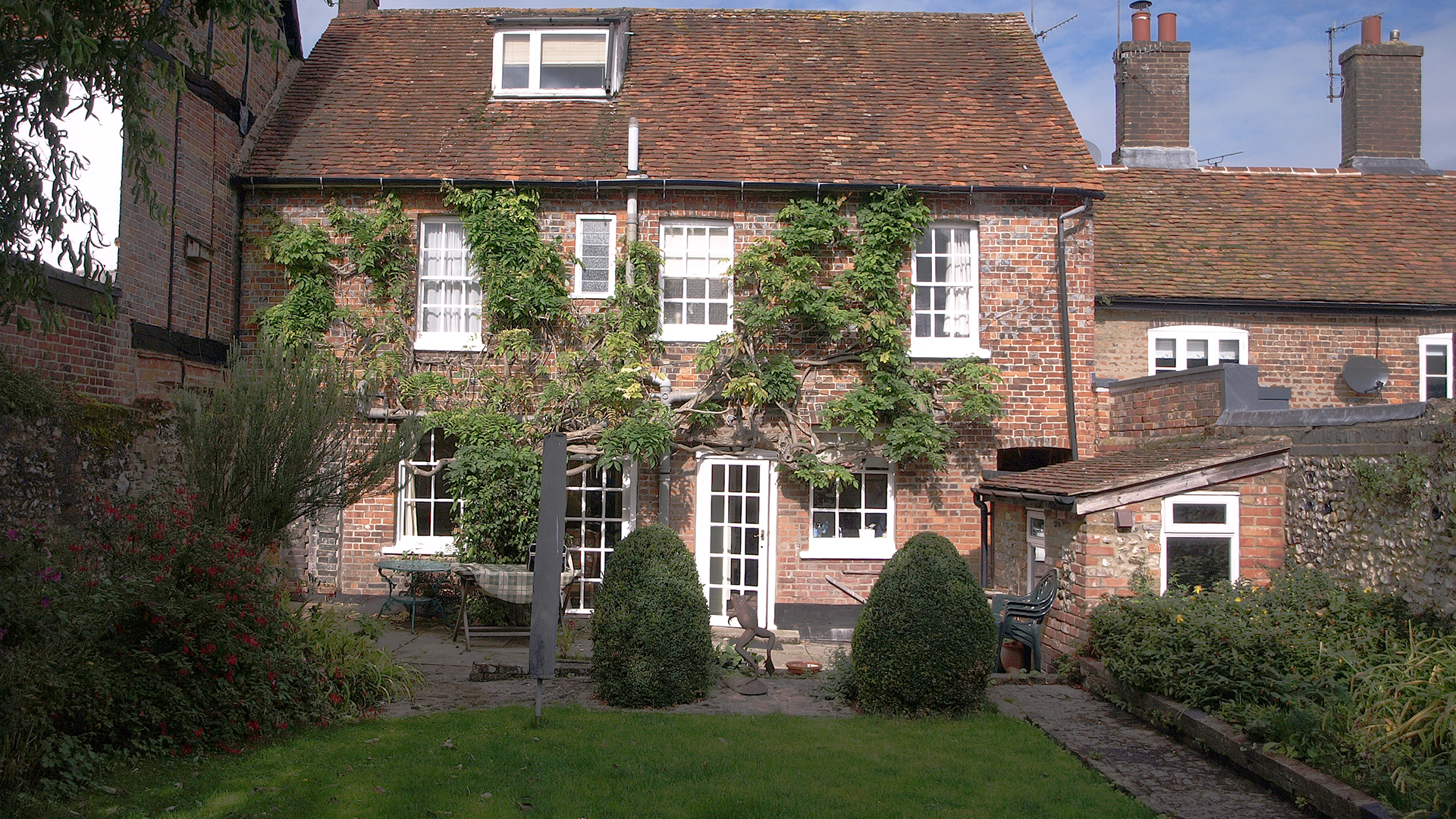
How to Obtain Listed Building Consent: A Step-by-Step Guide for Heritage Owners
Owning a listed building is both a privilege and a responsibility. If you propose alterations, repairs, or extensions, you often need Listed Building Consent (LBC) in addition to (or sometimes instead of) regular planning permission. Failing to secure consent before carrying out works that affect the building’s historic or architectural interest can lead to enforcement, criminal liability or undoing of works.
Below is a clear route to understanding and securing LBC, tailored to the Chiltern / Buckinghamshire context but broadly applicable elsewhere in England.
1. Understand the Legal & Policy Framework
a) Statutory basis: the 1990 Act
The primary legal regime is the Planning (Listed Buildings and Conservation Areas) Act 1990. The Act requires that local authorities, in deciding whether to grant LBC, must have “special regard” to the desirability of preserving the building or its setting or any features of special architectural or historic interest.
Legislation.gov.uk
Carrying out works affecting the character of a listed building without LBC is a criminal offence.
b) National Planning Policy: NPPF & heritage chapters
Under the National Planning Policy Framework (NPPF), heritage is a core consideration in planning decisions. Chapter 16 (“Conserving and enhancing the historic environment”) contains key principles you must address.
Key relevant policy points include:
“Great weight” should be given to conservation of heritage assets (especially the more significant ones).
Any harm or loss to a heritage asset must be justified “clear and convincing” (for designated assets).
auroraheritageplanning.co.uk
Where the impact is less than substantial harm, that harm should be weighed against the public benefits of the proposal.
If a proposal would lead to substantial harm (or total loss), the application should normally be refused unless very strong justification is provided (e.g. substantial public benefits that outweigh harm) and alternative options are exhausted.
The policy also expects proportionate and focused supporting information (i.e. don’t overburden your application with irrelevant material).
So when preparing your proposal, you need to frame it in terms of significance, harm, mitigation, and public benefit.
c) Local policy: Chiltern District / Buckinghamshire
In the Chiltern District (and under the relevant Local Plan and conservation policies), there are policies specifically aimed at protecting the character and setting of listed buildings:
Policy LB1: Alterations/development proposals for listed buildings must preserve their character and appearance as buildings of special architectural or historic interest.
In assessing proposals, the Council will consider:
(i) the building’s architectural or historic importance;
(ii) the effect on special features that led to listing;
(iii) the setting and contribution to the local scene;
(iv) whether there are substantial planning benefits for the community.
Policy LB2: Proposals within the curtilage or vicinity of a listed building must not adversely affect the setting of that building.
Policy LB3: Demolition of a listed building will only be allowed in exceptional circumstances, and applicants must provide clear and convincing evidence to justify it.
Also, any consent conditions (e.g. materials, detailing) are often required to protect heritage interests.
buckinghamshire.moderngov.co.uk
Thus, in Chiltern your application must respond directly to these local safeguards and be aligned with both national and local heritage policy.
2. Preliminary Steps & Pre-Application Work
Before submitting a formal application, undertake preparatory steps to reduce risk and improve chances of a successful outcome.
a) Check the listing and heritage status
Confirm exactly what is listed (external fabric, internal features, or both). The listing entry in the National Heritage List for England will describe some of the key features, but may not be exhaustive.
Historic England
Check if any curtilage buildings or outbuildings are included in the listing by virtue of being historically associated.
Consider the setting of the listed building (adjacent land, views, context) as changes near it might affect its significance.
b) Gather existing documentation & understand the building
Collect all existing plans, surveys, historic documents, old photographs, etc., that help you understand original form, evolution, and key features.
Undertake a building survey / condition assessment, especially of areas where you propose change, to identify defects, materials, structure, and hidden issues.
c) Engage early with heritage professionals
It is highly advisable to consult a conservation architect / heritage consultant early on.
You might also seek informal advice from the Local Planning Authority’s heritage or conservation officer (many councils have a pre-application advice service).
Early dialogue can flag potential objections, required evidence, and sensitive design strategies.
d) Pre-application advice (optional but beneficial)
Some local authorities offer formal pre-application heritage advice (or combined planning/heritage advice). This can give you clarity on likely issues before formal submission.
Use any guidance or feedback to fine-tune proposals and reduce delays.
3. Develop the Proposal with Conservation in Mind
When framing your design or repair scheme, the objective is to conserve the significance of the building, not simply to treat it like a modern building.
Use a staged approach (as recommended by Historic England) in developing proposals: understand the building’s history and significance, assess impacts, explore alternatives, and justify any residual harm.
Some guiding principles:
Retain and repair rather than replace wherever possible, especially for characterful or original elements (windows, doors, joinery, decorative features).
If replacement is necessary, match materials, detailing, and craftsmanship to the historic fabric.
Avoid over-restoration or conjectural work that misrepresents history.
Minimise visual disruption or loss of fabric — e.g. design extensions sensitively, conceal modern interventions, ensure new work is subservient.
Where harm cannot be avoided, mitigate or compensate (e.g. through better detailing, enhancement of other features, interpretation, reversing harmful previous works).
Document any features being removed or altered thoroughly (measured drawings, photographs) so a record is kept.
4. Prepare the Supporting Evidence & Application Materials
Your application must be well supported with the right documents. The quality and relevance of evidence often decides whether an application succeeds.
a) Heritage Statement / Statement of Significance
You need to describe the significance (or “special interest”) of the asset, and how your proposals affect it, including setting. The level of detail should be proportionate to the importance of the building and extent of changes.
Historic England
Identify key historic, architectural, and aesthetic values.
Map or identify which fabric / features are most sensitive.
Explain how the proposal affects those elements (positive or negative).
Where harm is proposed, assess degree (substantial / less than substantial) and propose mitigation.
Explain justification and public benefits (if relevant).
b) Plans, drawings, specifications
Your application must include:
Existing and proposed floor plans, elevations, sections, showing clearly the areas of change.
Details (e.g. joinery drawings, materials, fixings) for altered or new features (windows, doors, roofing, etc.).
Site plan including context, boundaries, curtilage.
Contextual drawings or visuals showing how your proposal sits in setting (photos, views).
c) Conservation / structural reports
Where necessary:
Condition surveys highlighting defects, fabric problems, structural issues.
Material analysis (e.g. mortar surveys, paint/build-up studies).
Structural or engineering reports for interventions (e.g. new openings, supports).
Method statements for sensitive work (e.g. how new interventions will avoid damaging historic fabric).
d) Additional supporting documents
Photographs (existing condition, affected areas).
Justification or alternatives that were considered and rejected.
Accessibility, environmental or other assessments if relevant.
A Design & Access Statement (if required), especially where planning permission also being sought.
e) Consultations & notifications
Some applications require notification of Historic England (especially for Grade I or II* works, or where amenity societies are involved) under statutory directions.
Include evidence of any stakeholder or neighbour engagement.
If your building is ecclesiastical, check whether it is exempt (ecclesiastical exemption) from LBC procedures.
planningportal.co.uk
5. Submit the Application & Follow the Process
a) Submission
Submit your LBC application (often via the Planning Portal or to your local authority) along with all required documents.
Buckinghamshire Council
There is no fee for LBC application itself (though if it is submitted with planning permission the latter may incur fees).
Ensure that the application is valid — local authority will check if all required supporting information is present.
b) Consultation and assessment
The authority will consult internal heritage/conservation officers, possibly external consultees (Historic England, national amenity societies) depending on the significance and scale of the works.
There is typically a 21-day public consultation period.
planningportal.co.uk
Your proposals are assessed against the 1990 Act’s “special regard” duty, the NPPF heritage tests, and the local policies (e.g. LB1, LB2, LB3).
The authority will weigh harm versus benefits, assess whether proposals preserve or enhance, and may impose conditions or require design amendments.
c) Decision
The LPA must issue a decision within 8 weeks (for standalone LBC, provided the application is valid).
planningportal.co.uk
The decision may:
• Grant consent (possibly with conditions)
• Refuse consent
• Grant consent for part of the works only
• Delay for further information / modifications
If you disagree with a refusal, you may have rights of appeal.
d) Conditions, implementation, and commencement
Approved consents often come with conditions (e.g. on materials, sample panels, method statements). It is essential you comply strictly.
buckinghamshire.moderngov.co.uk
You generally must start work within 3 years from the date of consent.
buckinghamshire.moderngov.co.uk
Ensure building control approval and any other consents (planning permission, listed car park consents, etc.) are in place before starting.
6. Dealing with Potential Harm & Justification
If part of your scheme entails some harm (especially in unavoidable cases), you will need to make a convincing case:
Determine whether harm is less than substantial or substantial under NPPF definitions.
Justify why the harm is necessary (e.g. to enable viable use, repair otherwise failing fabric, or to deliver public benefit).
Show mitigation or compensation measures (e.g. high-quality design, removal of harmful modern additions, interpretation).
Show that all reasonable alternative designs (with lesser harm) were considered and rejected, with explanation.
Relate benefits (community, heritage, sustainable use) to the harm and argue that they outweigh or justify it.
If the harm is substantial, the LPA must be satisfied there are exceptional public benefits outweighing loss, and the building cannot be preserved in an alternative way.
7. Post-Consent & Monitoring
Once your works are approved and underway, you should:
Keep to approved drawings, materials and methods without deviation, unless you obtain further consent.
Keep detailed records of works, especially where historic fabric is altered or removed (photographs, samples, archival records).
Inform the conservation / heritage officer of any unexpected discoveries (e.g. hidden historic fabric).
Upon completion, consider a completion report or validation of works for archive or audit by the LPA.
Maintain the building sensitively moving forward, ensuring that future work also respects heritage constraints.
Summary & Tips for Heritage Owners
Always check whether your project requires LBC before altering any part of a listed building (interior, exterior, setting or curtilage).
Use heritage professionals and engage early with the authority to manage risk.
Build your arguments around significance, harm, mitigation, benefits, and policy compliance.
Align closely with the NPPF’s approach to heritage (great weight, justification of harm, proportionality) and Chiltern’s local listed building policies (LB1–LB3) regarding preserving character and setting.
Prepare a robust, clear set of supporting documents — heritage statement, plans, conservation reports, justification of alternatives.
Expect consultation, conditions, and possibly design revisions; remain flexible.
Document your work thoroughly and adhere to conditions in your consent.
.