Woodland Management Matters
How Neglect Can Quietly Close the Door on Future Development
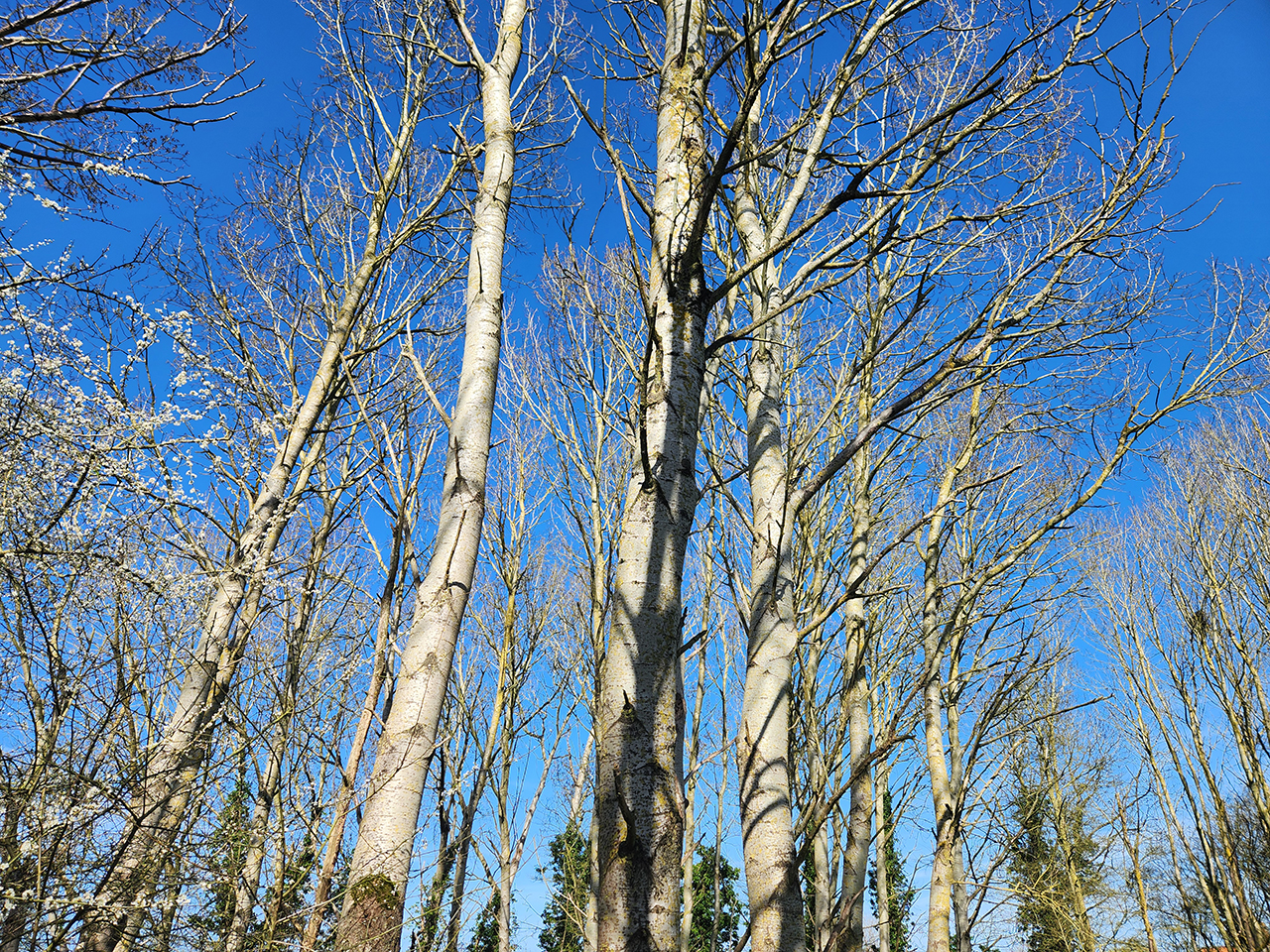
Table of Contents
Woodland is often seen as an unquestionable asset: green, natural, and environmentally positive. And in many ways, it is. But unmanaged woodland tells a different story—one that can fundamentally change how land is classified, how it functions ecologically, and, crucially, whether it retains any realistic opportunity for future residential development.
Across rural Buckinghamshire and beyond, we are increasingly seeing landowners caught out by a simple assumption: that leaving land alone is the most environmentally responsible choice. In reality, the absence of active management can radically alter landscape character, encourage invasive species, and unintentionally lock land into a planning and ecological position that is extremely difficult to reverse.
Landscape Character Is Not Static
Landscape character is not just about what a site looks like today—it is about how it has historically functioned and how it is expected to be managed. Many sites that are now classified as woodland were, until relatively recently, open land, orchards, paddocks, or lightly treed copses. Without intervention, natural succession takes over.
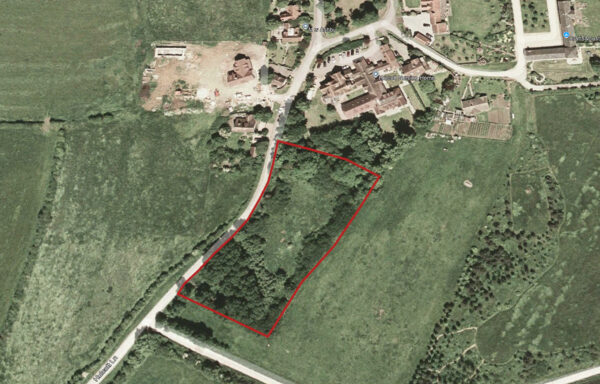
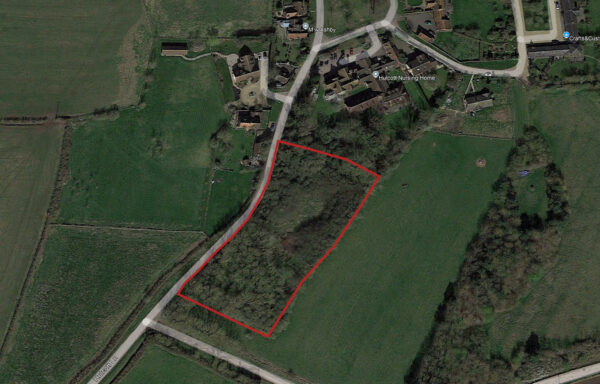
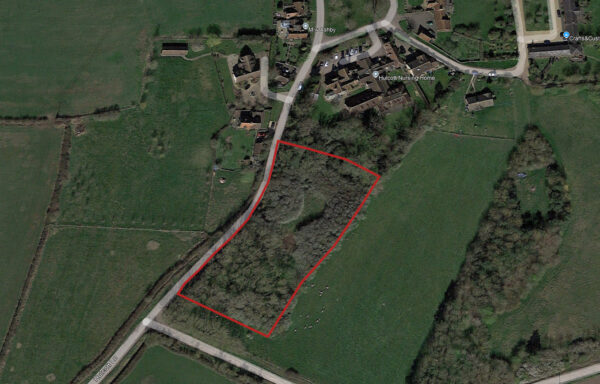
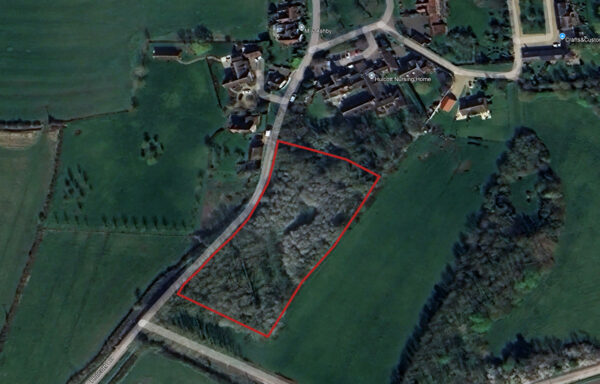
At Hulcott, aerial records over the last decade clearly demonstrate this shift. What was once an open or semi-open landscape has gradually infilled with dense scrub, young self-seeded trees, bramble, and moss-dominated ground cover. Hawthorn, blackthorn, bramble, and opportunistic sycamore have advanced unchecked, fundamentally changing the ecological baseline.
Once canopy cover reaches 20% across more than 0.5 hectares, local authorities and the Forestry Commission are likely to classify land as woodland—regardless of how recently that condition arose. At that point, the planning, legal, and ecological implications change dramatically.
Ownership of our Land And Ecology.
Woodland is often seen as an unquestionable asset: green, natural, and environmentally positive. And in many ways, it is. But unmanaged woodland tells a different story—one that can fundamentally change how land is classified, how it functions ecologically, and, crucially, whether it retains any realistic opportunity for future residential development.
Across rural Buckinghamshire and beyond, we are increasingly seeing landowners caught out by a simple assumption: that leaving land alone is the most environmentally responsible choice. In reality, the absence of active management can radically alter landscape character, encourage invasive species, and unintentionally lock land into a planning and ecological position that is extremely difficult to reverse.
Landscape Character Is Not Static
Landscape character is not just about what a site looks like today—it is about how it has historically functioned and how it is expected to be managed. Many sites that are now classified as woodland were, until relatively recently, open land, orchards, paddocks, or lightly treed copses. Without intervention, natural succession takes over.
At Hulcott, aerial records over the last two decades clearly demonstrate this shift. What was once an open or semi-open landscape has gradually infilled with dense scrub, young self-seeded trees, bramble, and moss-dominated ground cover. Hawthorn, blackthorn, bramble, and opportunistic sycamore have advanced unchecked, fundamentally changing the ecological baseline.
Once canopy cover reaches 20% across more than 0.5 hectares, local authorities and the Forestry Commission are likely to classify land as woodland—regardless of how recently that condition arose. At that point, the planning, legal, and ecological implications change dramatically.
When Ecology Becomes a Constraint, Not an Opportunity
Ecology plays a central role in modern planning, and rightly so. But higher ecological value does not automatically equate to greater flexibility. In fact, unmanaged woodland often becomes ecologically “high” in a way that is rigid rather than resilient.
Dense scrub and overstocked woodland tend to:
Reduce species diversity rather than enhance it
Encourage dominance by invasive or aggressive species
Create poor structural variety within habitats
Lead to declining tree health through competition and disease
Ironically, this type of unmanaged ecology can limit opportunities for meaningful Biodiversity Net Gain (BNG). Where a site already scores highly due to woodland classification, it becomes far harder—sometimes impossible—to deliver net gain through development or offsetting. In effect, the land has peaked ecologically without strategy, leaving no headroom for improvement.
For landowners, this can mean the worst of both worlds: strong ecological constraints with no practical mechanism to offset, enhance, or rebalance them.
The Planning Consequences of Doing Nothing
From a planning perspective, unmanaged woodland can significantly weaken future development arguments. Policies at both national and local level place great weight on:
Landscape character
Visual containment
Biodiversity protection
Sustainable development
Once land is classified as woodland of high ecological value, proposals for residential development—particularly in rural locations—face a much steeper uphill battle. Even where historic permissions exist, policy evolution means those consents carry little weight if the land’s character has materially changed.
At Hulcott, despite a historic approval for a dwelling, current conditions mean the likelihood of securing consent today is low unless the land is first brought under a robust, lawful woodland management regime. Without that intervention, development is no longer seen as reinforcing the settlement pattern—it risks being perceived as harmful encroachment into established woodland.
Active Management Is Not Environmental Harm
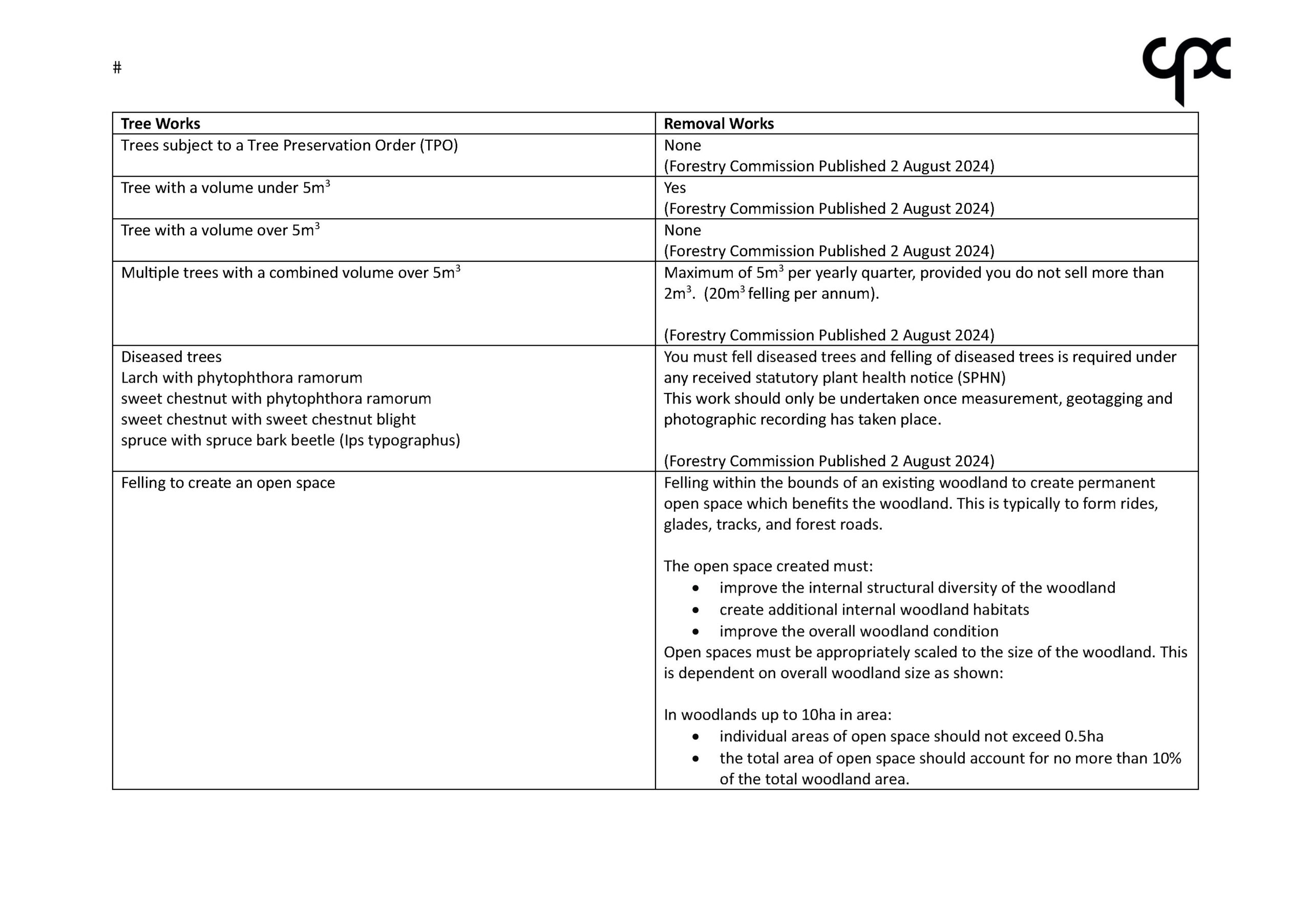
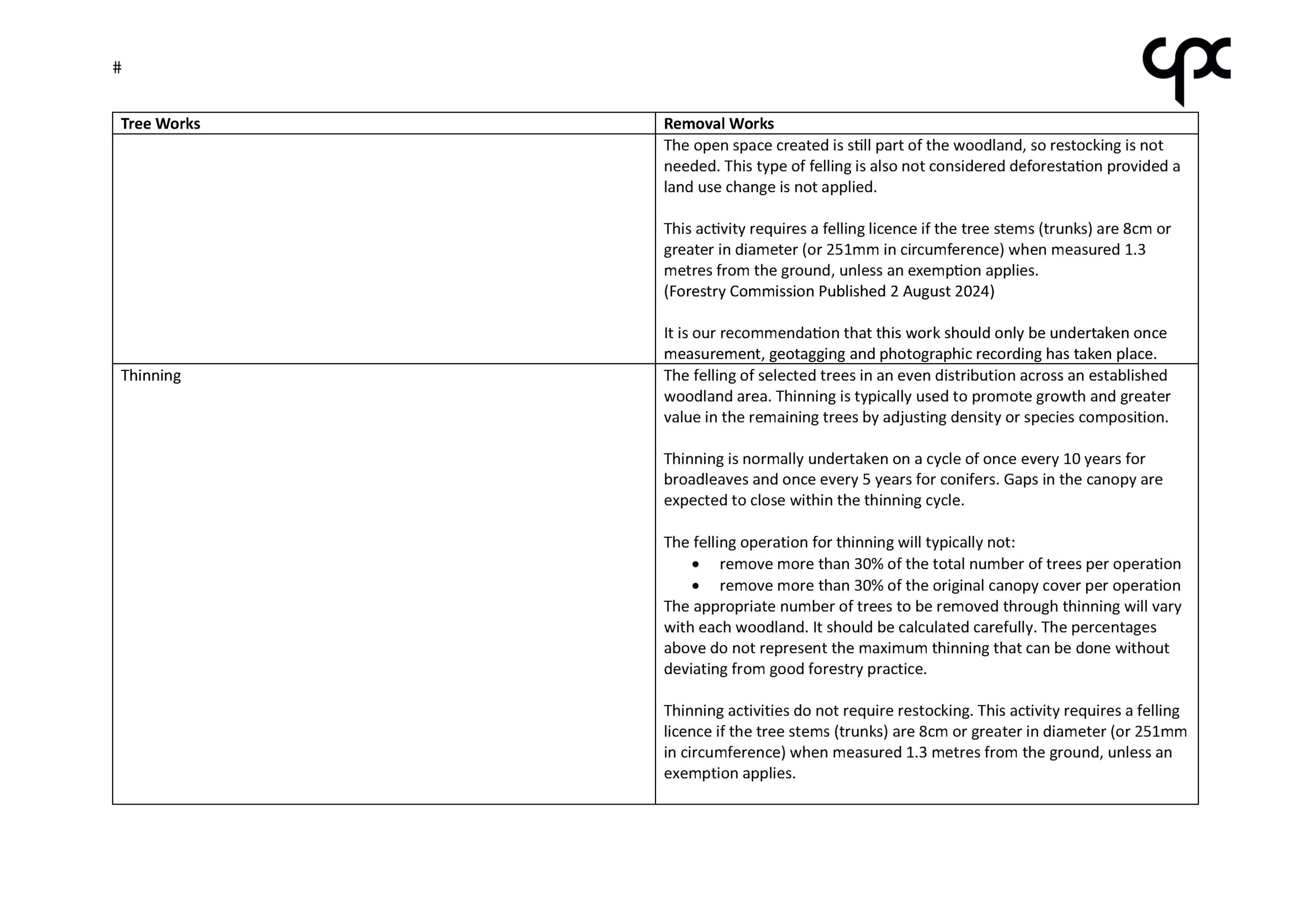
There is a persistent misconception that tree removal or thinning is inherently negative. In reality, responsible woodland management is widely supported in planning and forestry policy when it is:
Evidence-led
Proportionate
Focused on long-term habitat quality
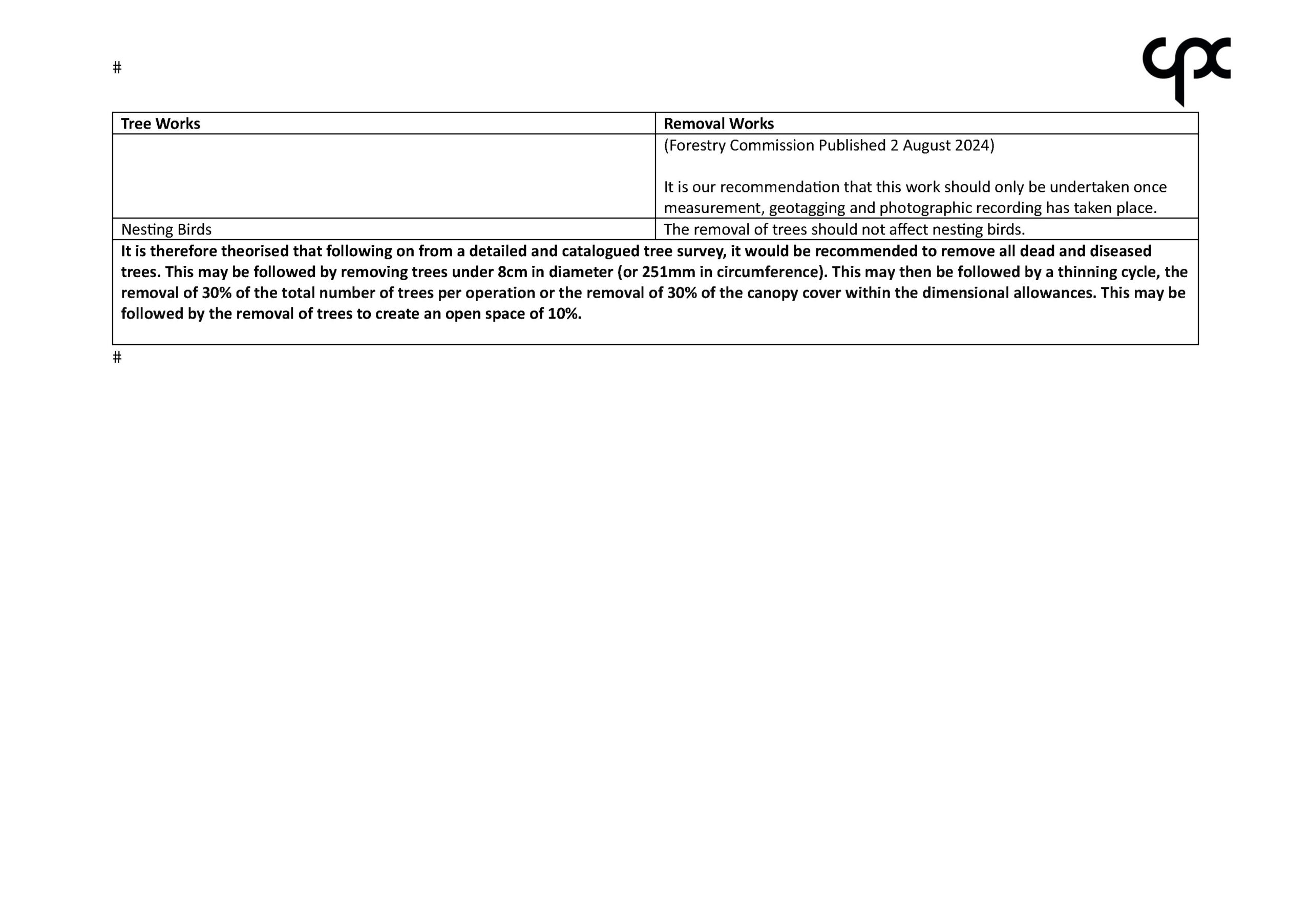
Practices such as thinning, halo thinning, removal of dead or diseased trees, and selective clearance of invasive saplings are all recognised tools for improving woodland health. When carried out within Forestry Commission guidelines—and properly recorded—they do not constitute deforestation or ecological degradation.
In fact, managed woodland typically delivers:
Greater species diversity
Healthier, longer-living trees
Improved light levels and ground flora
Clearer definition between woodland and open land
Crucially, management helps preserve the historic landscape character rather than allowing it to be overwritten by unchecked succession.
Why Timing Is Critical
Once land crosses certain ecological thresholds, reversing its classification becomes legally, ecologically, and politically difficult. Woodland designation brings with it:
Felling licence controls
Planning resistance to land-use change
Increased scrutiny under BNG legislation
Reduced flexibility in future applications
Early intervention—before land becomes fully reclassified—is far more effective than attempting to “undo” years of neglect later. Measurement, geotagging, photographic records, and phased management plans are essential not only for compliance, but for credibility.
Keeping Options Open
Active woodland management is not about guaranteeing development—it is about retaining choice.
For some landowners, the future may lie in biodiversity offsetting, carbon credits, or stewardship schemes. For others, there may be a long-term aspiration for carefully contained residential development aligned with sustainable planning principles. Both routes rely on land that is clearly defined, well managed, and ecologically balanced.
Once unmanaged woodland closes that door, it rarely reopens.
The Takeaway
Doing nothing is not a neutral act. In rural planning terms, neglect is a decision—and often an irreversible one.
Managing woodland responsibly protects landscape character, improves ecological resilience, and preserves future opportunities, whether those lie in conservation, offsetting, or development. The right approach is not aggressive clearance, nor passive abandonment, but informed, lawful stewardship guided by long-term thinking.
In an era where ecology carries real planning weight, the most sustainable thing a landowner can do is stay actively involved in the life of their land.
A more detailed post is here or for more information please visit the Forrestry Commission Website here.